
Application context
Define the real duty before selecting equipment.
Boiler make-up water design begins with operating pressure, condensate return, make-up demand and feed-water chemistry. Those inputs determine the necessary hardness and dissolved-solids control.
Feed-water source
Not publicly disclosed
Capacity basis
Not publicly disclosed; sizing depends on make-up flow, condensate return and operating pressure.
Water challenge
Conditions that control the process.
Hardness and dissolved solids that may affect scale-sensitive boiler operation. The brochure gives conflicting feed-source wording, so it is not repeated here.
Target water use and quality
Set the objective at the point of use.
A boiler-designer-approved make-up-water target based on pressure, chemistry and condensate return.
Typical treatment train
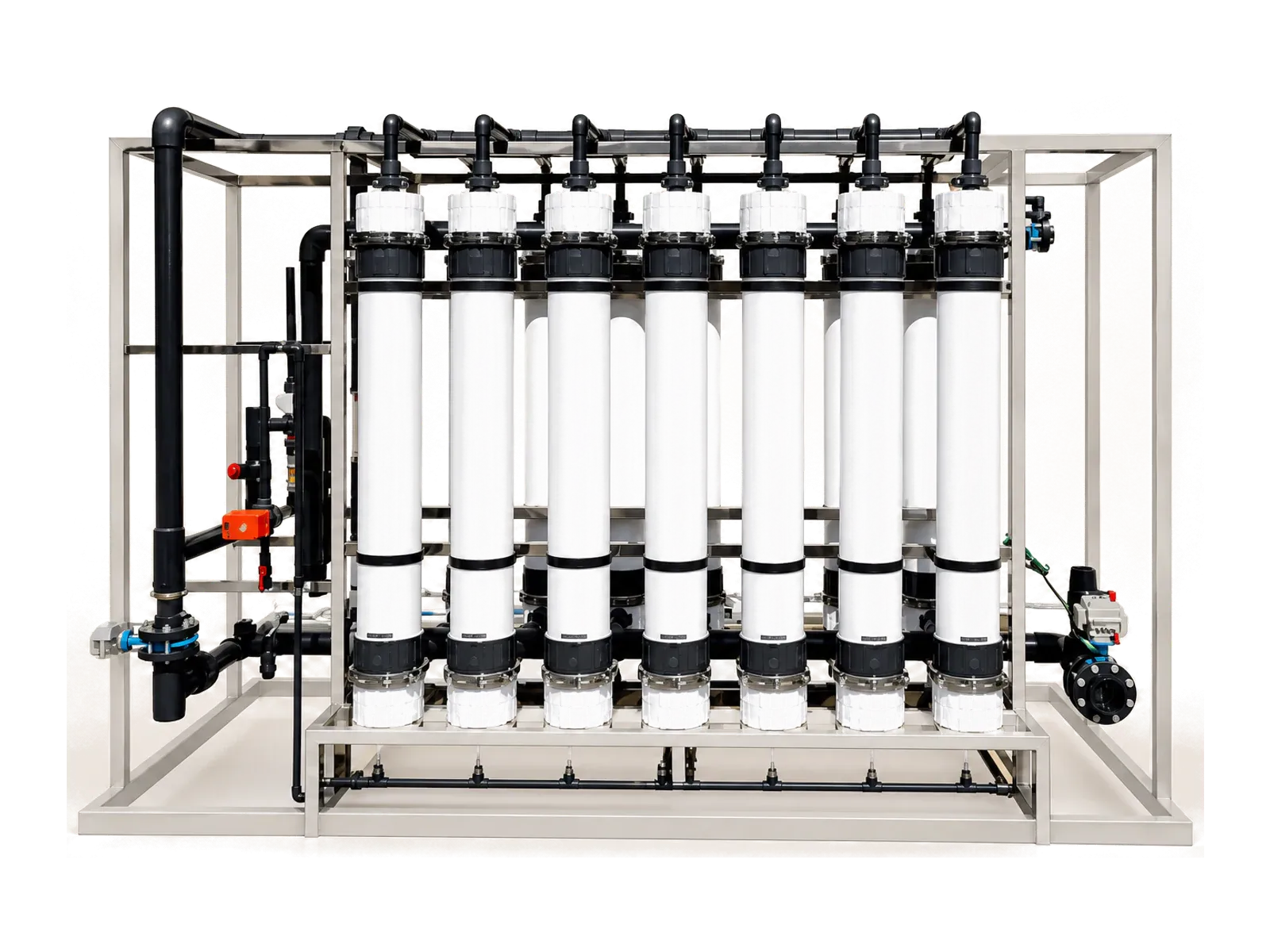
- 01Source-specific pretreatment
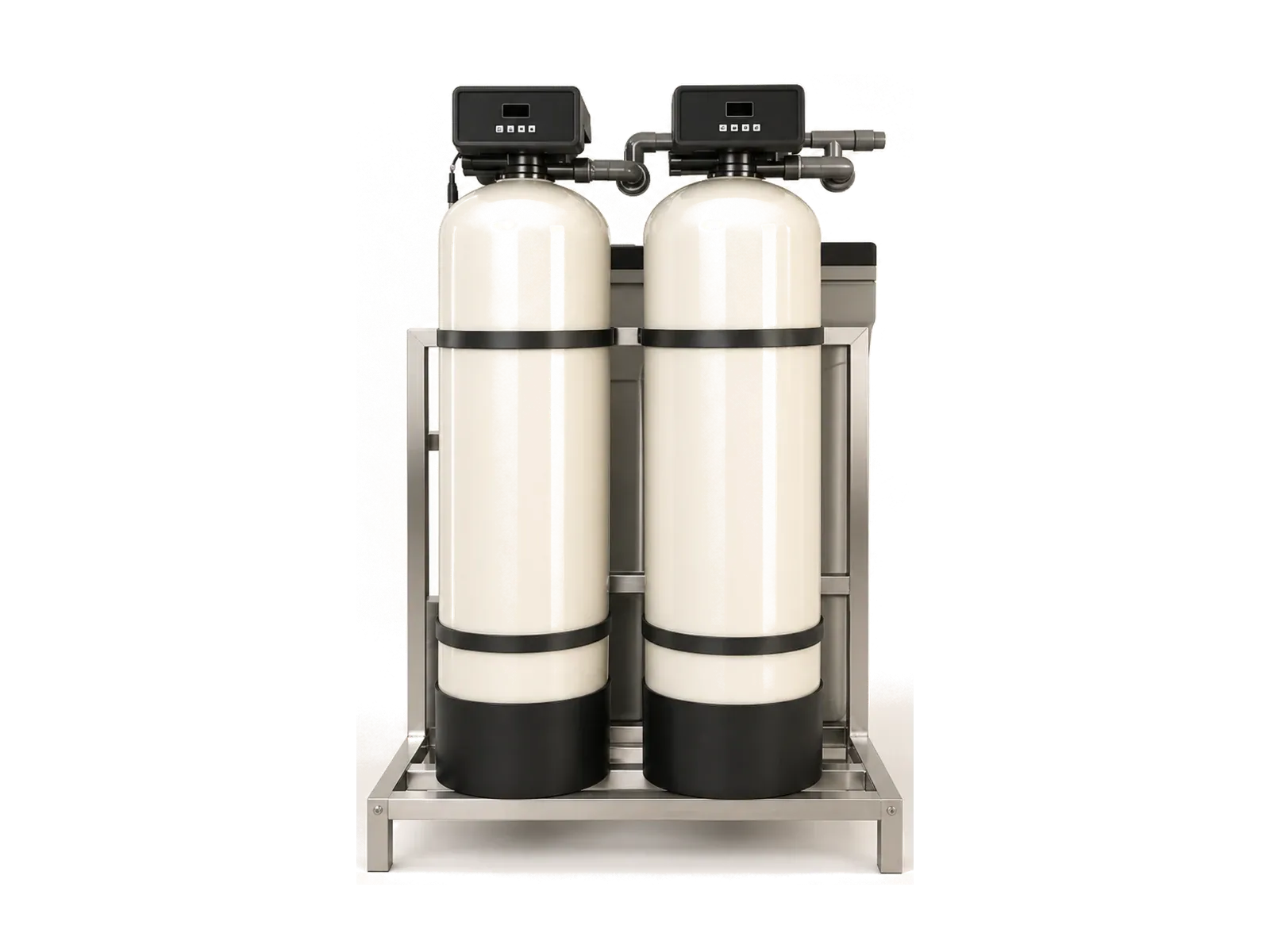
- 02Hardness control
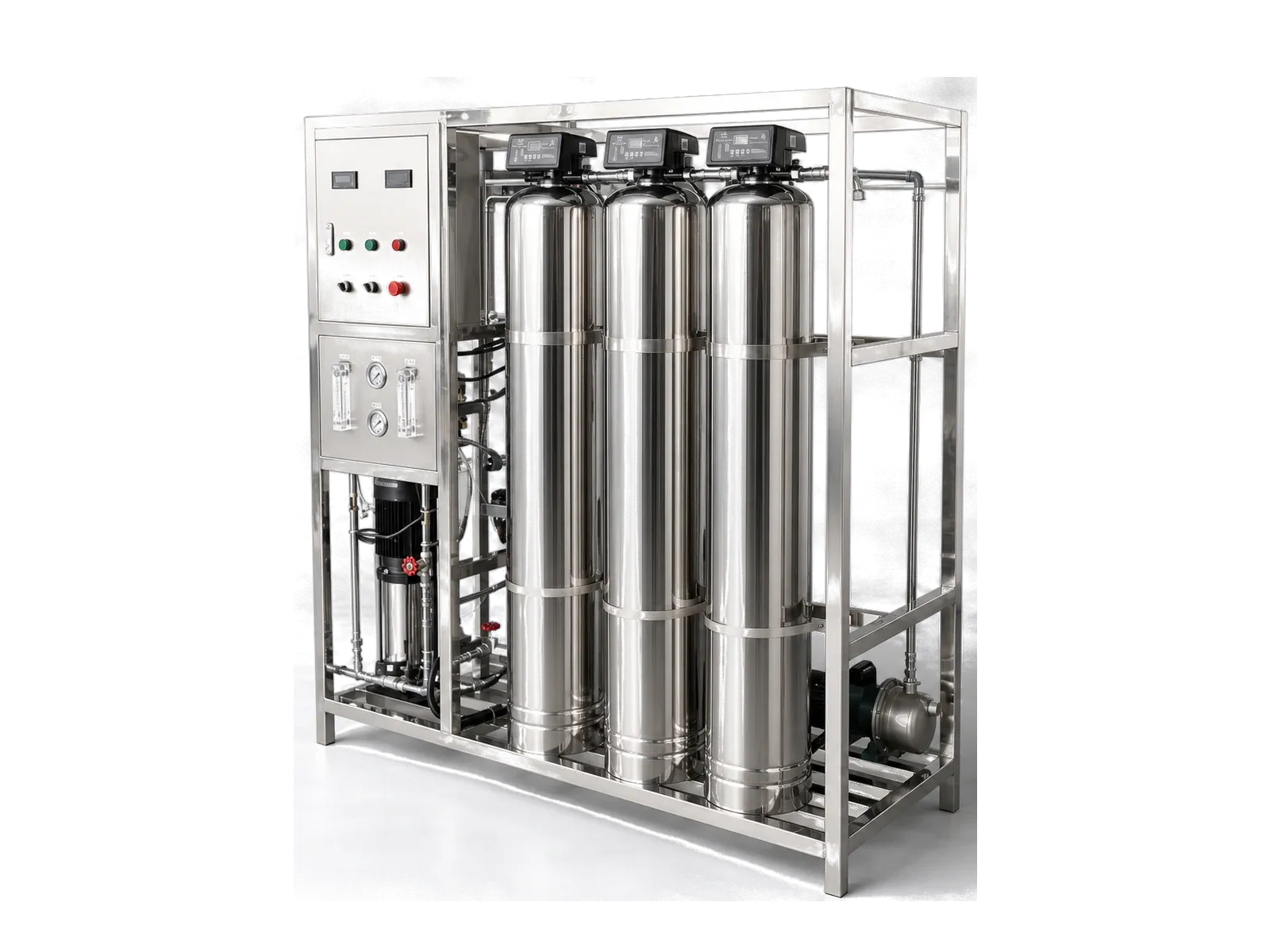
- 03RO where dissolved-solids reduction is required
Main equipment and components
- Pretreatment stage
- Industrial RO rack
- Pumps, instruments and controls
Configurable options
- Materials, membrane brand, instrumentation and control level
- Single-train, duty/standby or parallel arrangement
- Storage, disinfection, polishing and distribution interfaces as required
Utilities and operating assumptions
- Stable feed pressure, electrical supply and drainage
- Space for operation, maintenance and chemical handling
- An approved reject, backwash or concentrate route
Required customer inputs
- Current feed-water analysis and source description
- Required flow, daily volume, operating hours and point-of-use demand
- Target water quality, utilities, destination and documentation requirements
Design objective
Confirm performance against an approved proposal.
Design target only. No post-treatment analysis, boiler result or savings claim is published.