Utility solution

Boiler Feed Water Treatment

Make-up-water treatment planned around boiler pressure, feed chemistry, condensate return and the chemical-treatment program.

Discuss Your Water Requirements

Application risks

Identify what can change the design.

  • Hardness entering a scale-sensitive boiler system
  • Silica, alkalinity and dissolved solids at the selected boiler pressure
  • Iron or suspended solids entering pumps and heat-transfer surfaces
  • Changing make-up demand as condensate return and load vary

Treatment objective

Agree the target at the actual use point.

  • Boiler-designer-approved hardness, conductivity and silica limits
  • Stable make-up quality across normal and peak load
  • Compatibility with condensate return and chemical dosing
  • Instrumentation suitable for the operating and maintenance plan

Recommended route

Translate the application into a treatment sequence.

The final sequence depends on the submitted water analysis and operating inputs.

  1. 01

    Confirm boiler pressure, steam load, condensate return and feed analysis

  2. 02

    Remove suspended solids and control hardness

  3. 03

    Add RO where dissolved salts, alkalinity or silica require reduction

  4. 04

    Define polishing and dosing interfaces with the boiler-water specialist

Sizing basis

Normal and peak make-up flow

Condensate-return variation

Required storage and standby capacity

Design inputs

Data required before equipment selection.

  • Boiler operating pressure and steam production
  • Normal, minimum and peak condensate return
  • Raw-water analysis and current chemical-treatment program
  • Make-up flow, operating hours, storage, voltage and available footprint

Main components

Components considered for this application.

  • Feed filtration where solids or iron require control
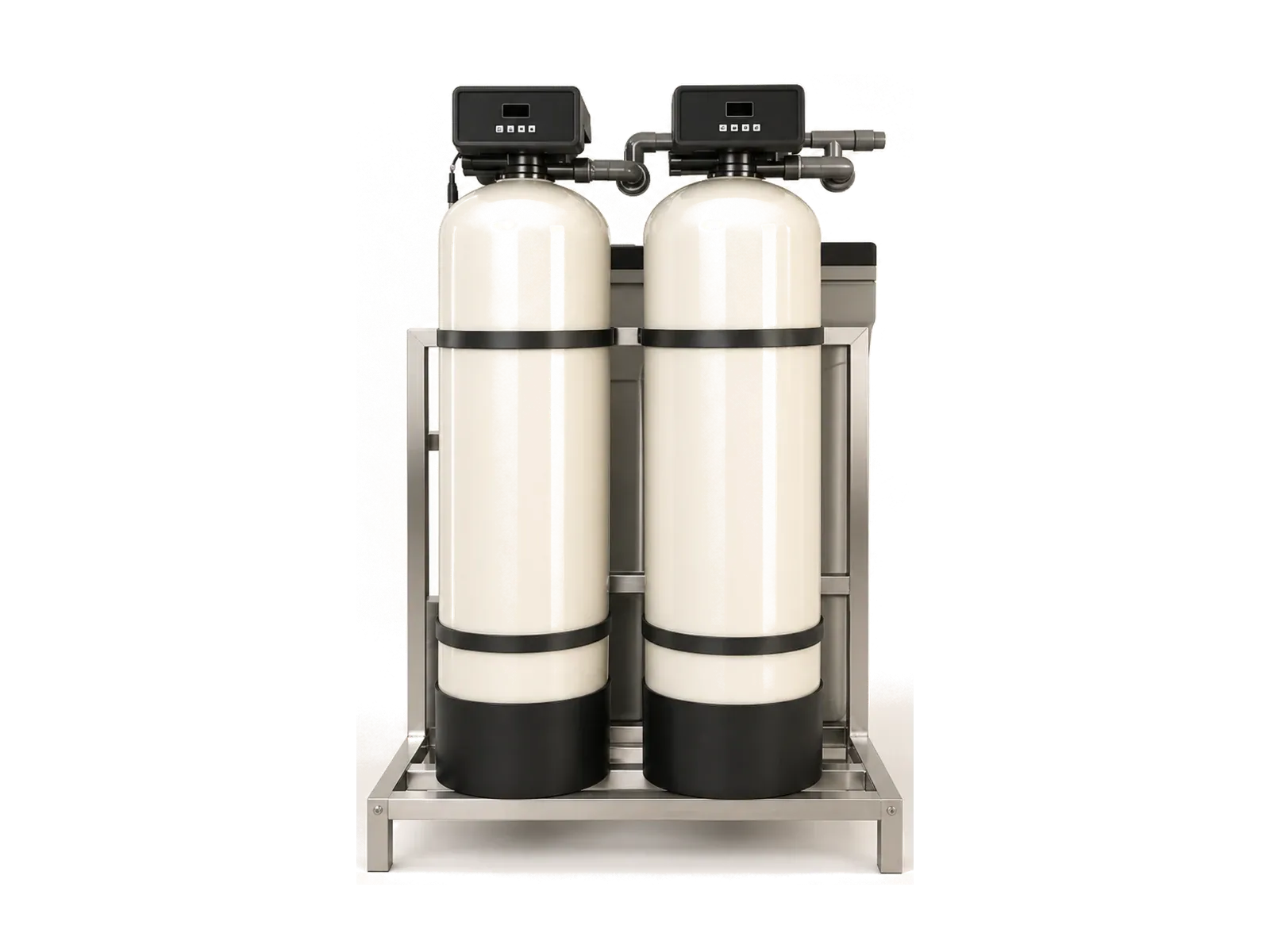
  • Automatic softener or alternative hardness-control stage
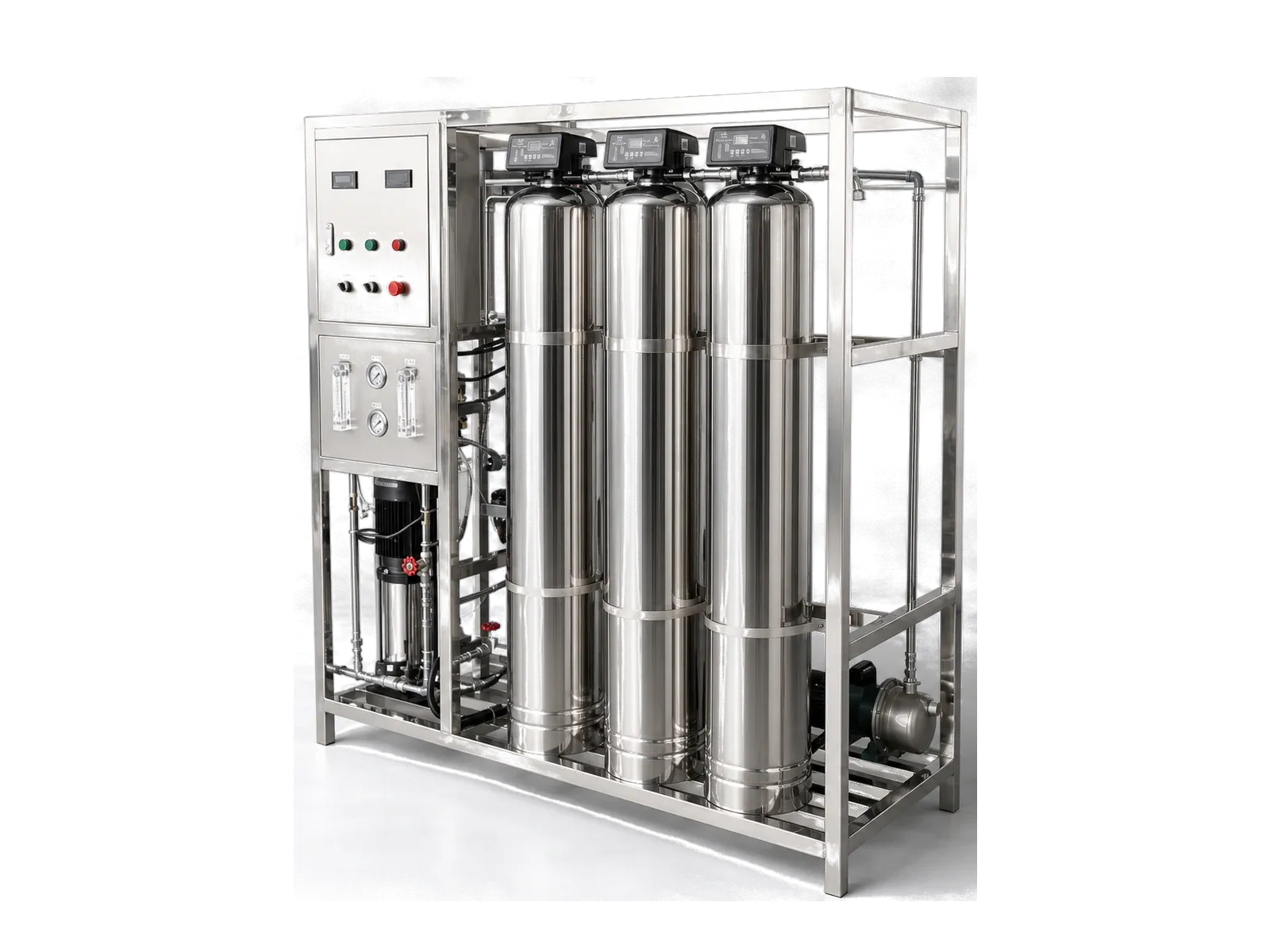
  • Industrial RO skid when further dissolved-solids reduction is required
  • Permeate storage, transfer pumps, instruments and dosing interfaces

Scope controls

Items to confirm before final selection.

  • Softening does not normally reduce total dissolved solids.
  • An RO selection cannot be finalized without recovery and reject-disposal review.
  • Final boiler feed limits belong to the boiler designer and chemical-treatment program.

Equipment components

Review system families against the design inputs.

RFQ preparation

Send the data that controls this application.

These inputs let the equipment scope be checked against the real use point.

  • Boiler pressure and steam duty
  • Condensate-return percentage and make-up flow
  • Feed-water analysis and required feed limits
  • Operating schedule, redundancy and utility information

FAQ

Questions about boiler feed water treatment.

How does condensate return affect boiler make-up system size?

Higher and stable condensate return reduces make-up demand. The treatment skid and storage should be based on normal and peak make-up conditions, not only nominal boiler output.

When is RO added after a boiler-water softener?

RO may be added when dissolved solids, silica, alkalinity or conductivity must be reduced beyond what softening can achieve, subject to the boiler design and reject-water plan.

Who should confirm the final boiler feed-water target?

The boiler designer and chemical-treatment specialist should confirm the limits using pressure, metallurgy, condensate return and operating conditions.

Start with your water conditions

Need a system configured around your application?

Share your application, feed-water source and required capacity. We will shape the treatment process, equipment scope and options around your project.