Hotels & Restaurants
Kitchen, beverage, guest-service and utility water planned as separate or compatible duties.
Open the hotels & restaurants planning guideCommercial solution
Central and point-of-use treatment for kitchens, guest facilities, service water and controlled drinking-water applications.
Discuss Your Water RequirementsApplication routes
Each application changes the design inputs, operating risks and useful level of treatment.
Kitchen, beverage, guest-service and utility water planned as separate or compatible duties.
Open the hotels & restaurants planning guideCentral or point-of-use treatment requiring careful safeguarding, maintenance and local compliance review.
Commercial and utility-water planning kept separate from clinical or validated medical-water systems.
Peak-demand and distributed-use planning for tenants, kitchens and managed drinking-water points.
Common feed-water issues
Treatment objective
Process selection logic
Separate drinking, kitchen and utility requirements
Confirm source water and local compliance basis
Select filtration, softening, RO or disinfection stages
Size storage and distribution around peak demand and sanitation
Reference configurations


Core system starting points
These core families provide the main equipment starting points. Pretreatment, polishing, storage and controls are configured from the submitted water and operating data.
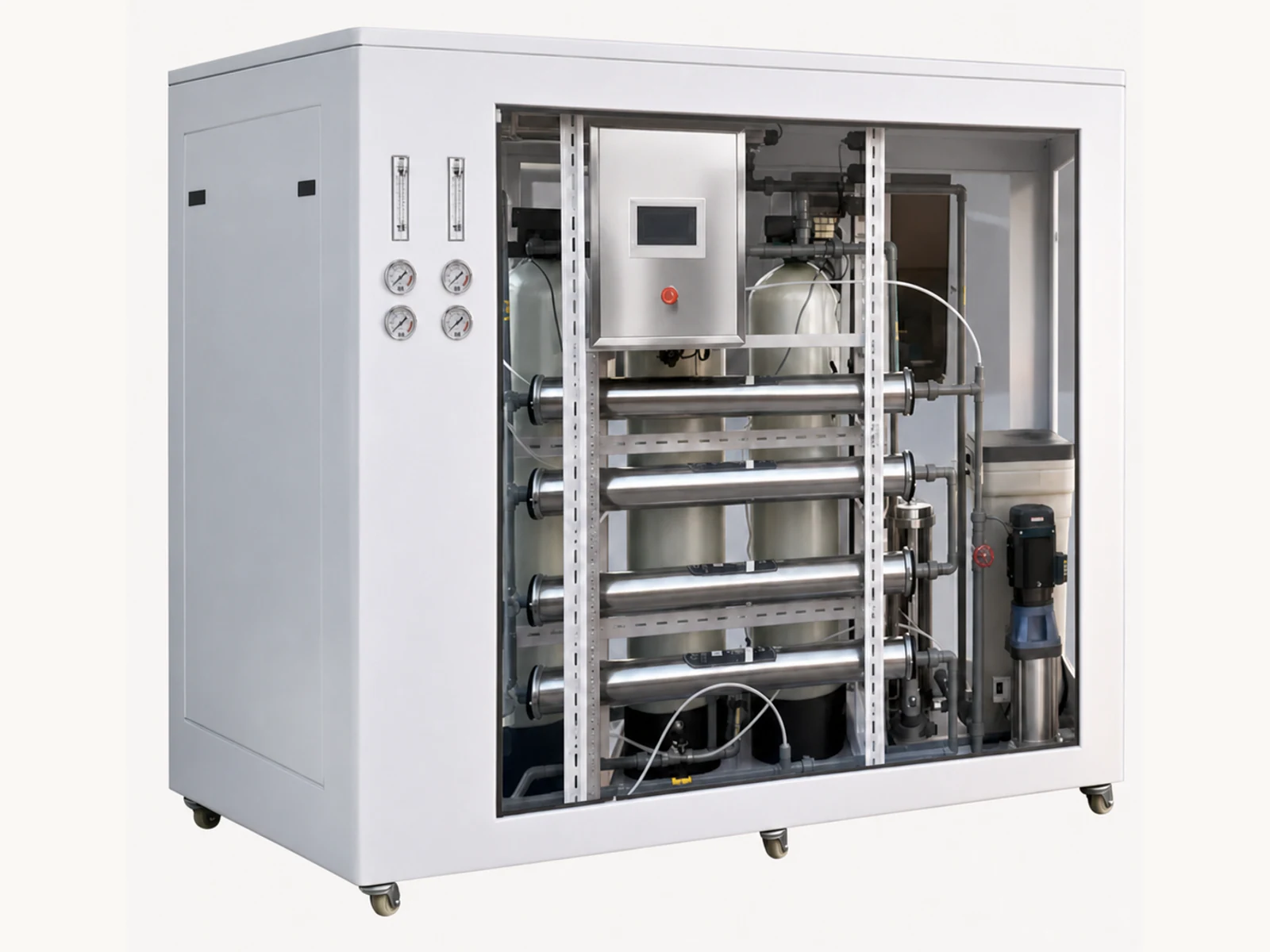
Primary starting point
A removable enclosed, caster-mounted single-pass reverse osmosis system for municipal tap-water applications, configurable from 1 to 10 T/H.
View core system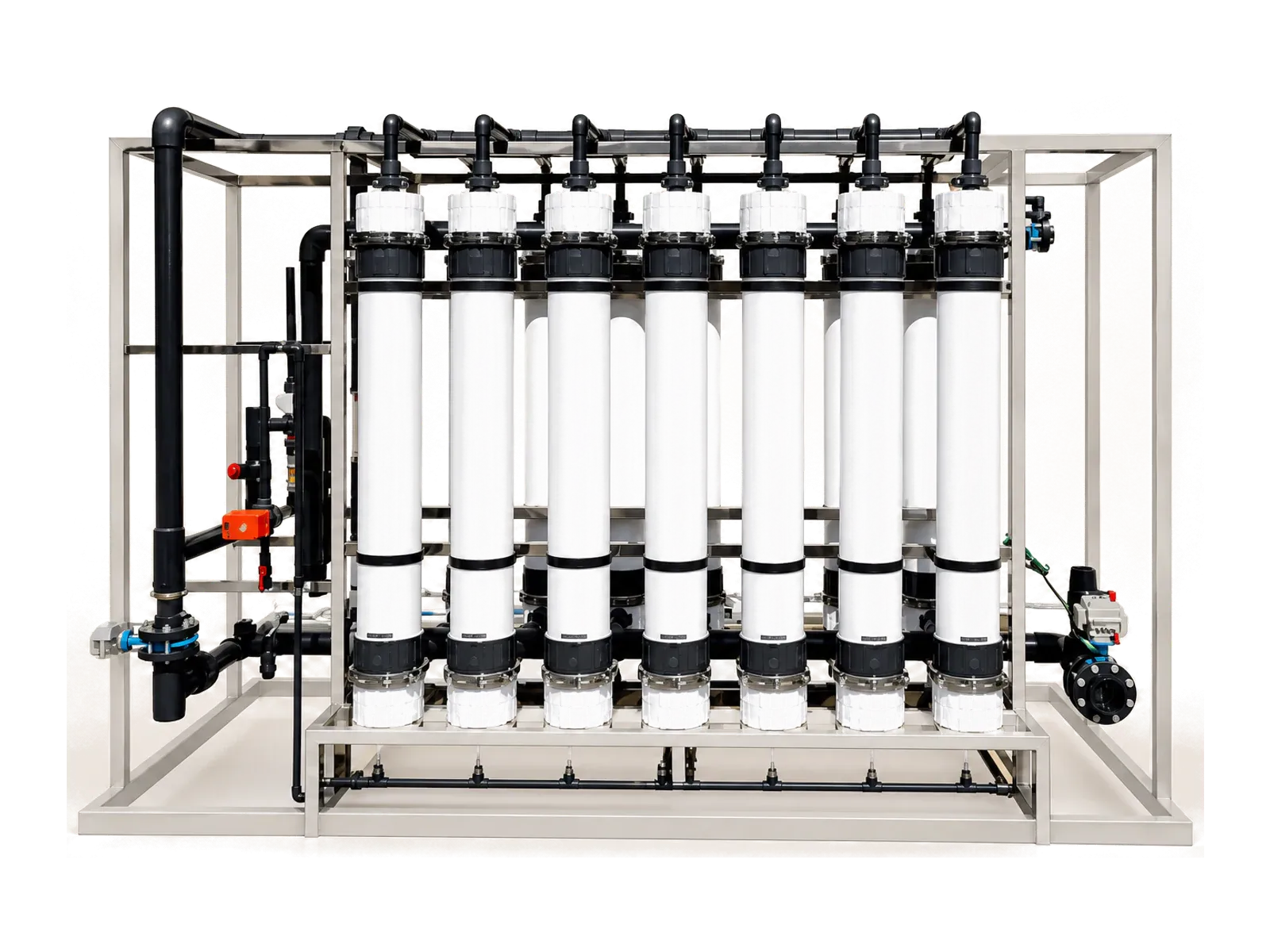
Alternative or supporting stage
Custom-engineered UF systems for tap water, groundwater and surface-water treatment.
View core systemRFQ preparation
A concise project brief is more useful than selecting a catalogue model first.
FAQ
Only when the duties have compatible quality and pressure requirements. Separate treatment or polishing may be needed for kitchens, guest use, laundry, boilers and cooling systems.
No. Source-water safety, system materials, disinfection, storage, monitoring and local regulations all form part of a compliant drinking-water installation.
Capacity should reflect peak simultaneous demand, daily volume, operating hours, storage, recovery, maintenance windows and future occupancy.
Start with your water conditions
Share your application, feed-water source and required capacity. We will shape the treatment process, equipment scope and options around your project.