
Application context
Define the real duty before selecting equipment.
Electronics and precision production require the generation and distribution system to be designed around ionic, particle, organic and microbial limits at the point of use.
Feed-water source
Not publicly disclosed
Capacity basis
Not publicly disclosed; final sizing requires point-of-use flow and distribution requirements.
Water challenge
Conditions that control the process.
Ionic, organic, particle and microbial control at a process-defined point of use.
Target water use and quality
Set the objective at the point of use.
An application-specific quality target covering conductivity or resistivity, particles, organics and microbial control where required.
Typical treatment train
- 01Confirm feed and point-of-use requirements
- 02Select desalination and polishing stages from the approved design basis
- 03Verify distribution materials, monitoring and terminal treatment
Main equipment and components
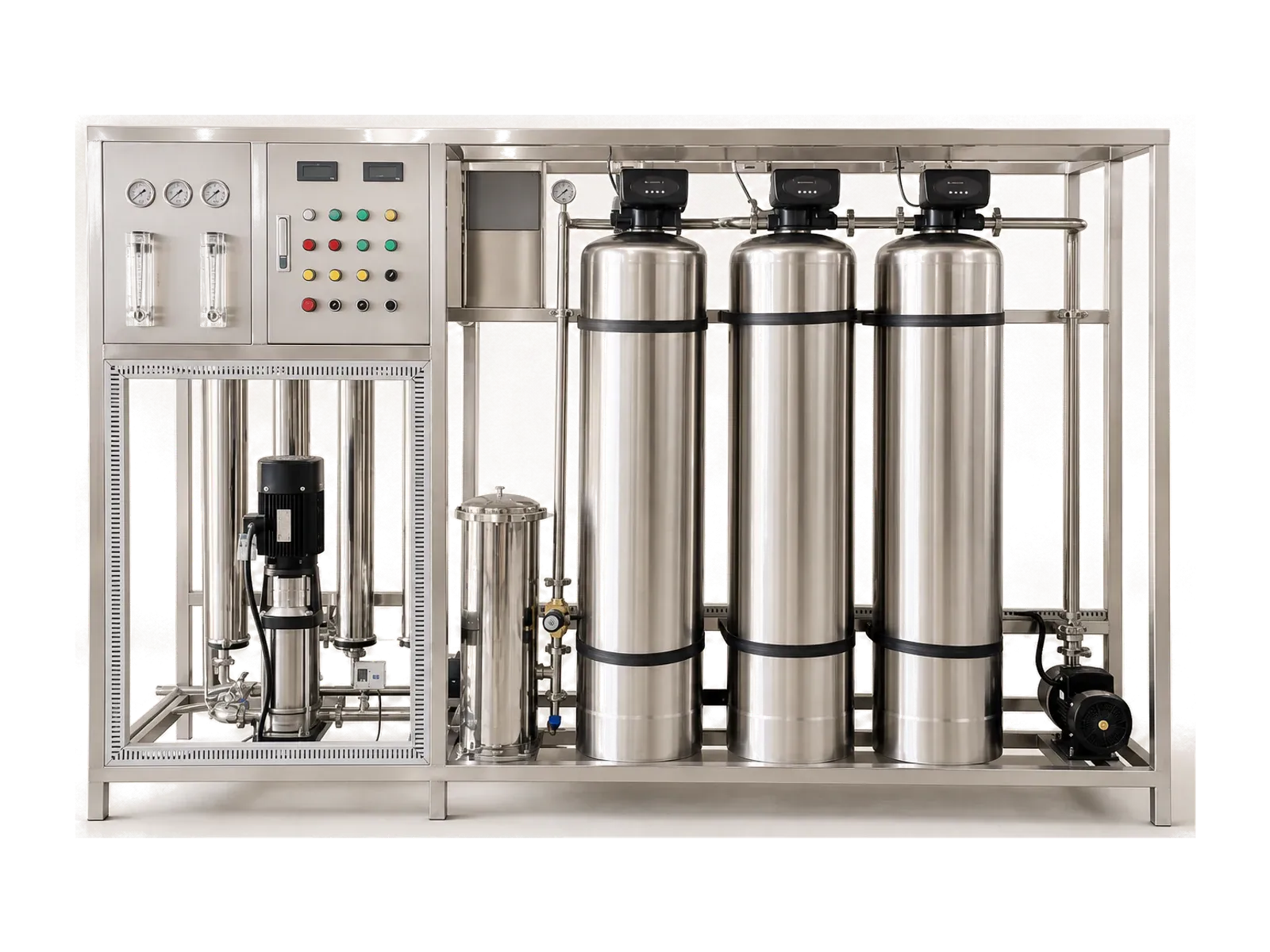
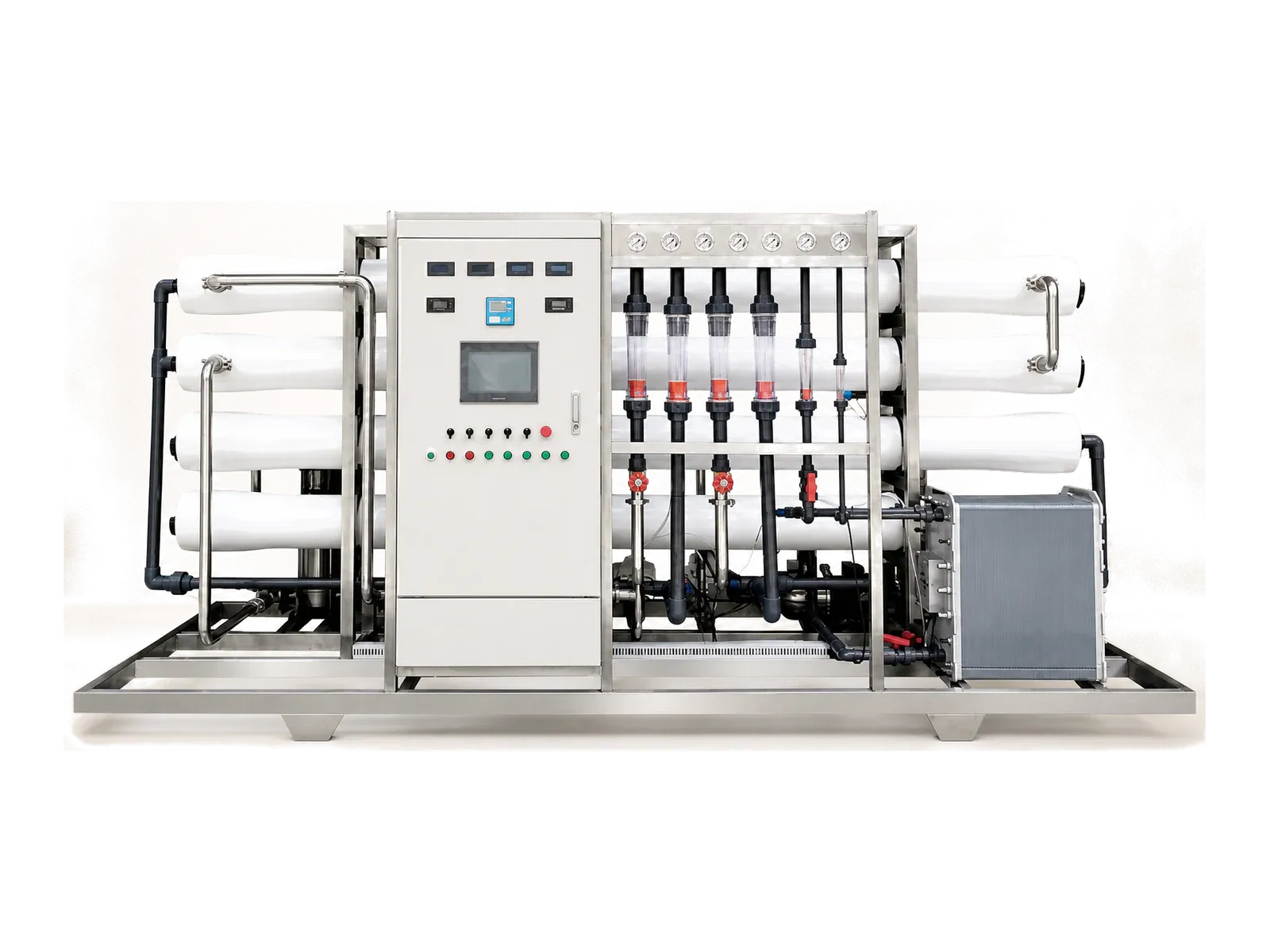
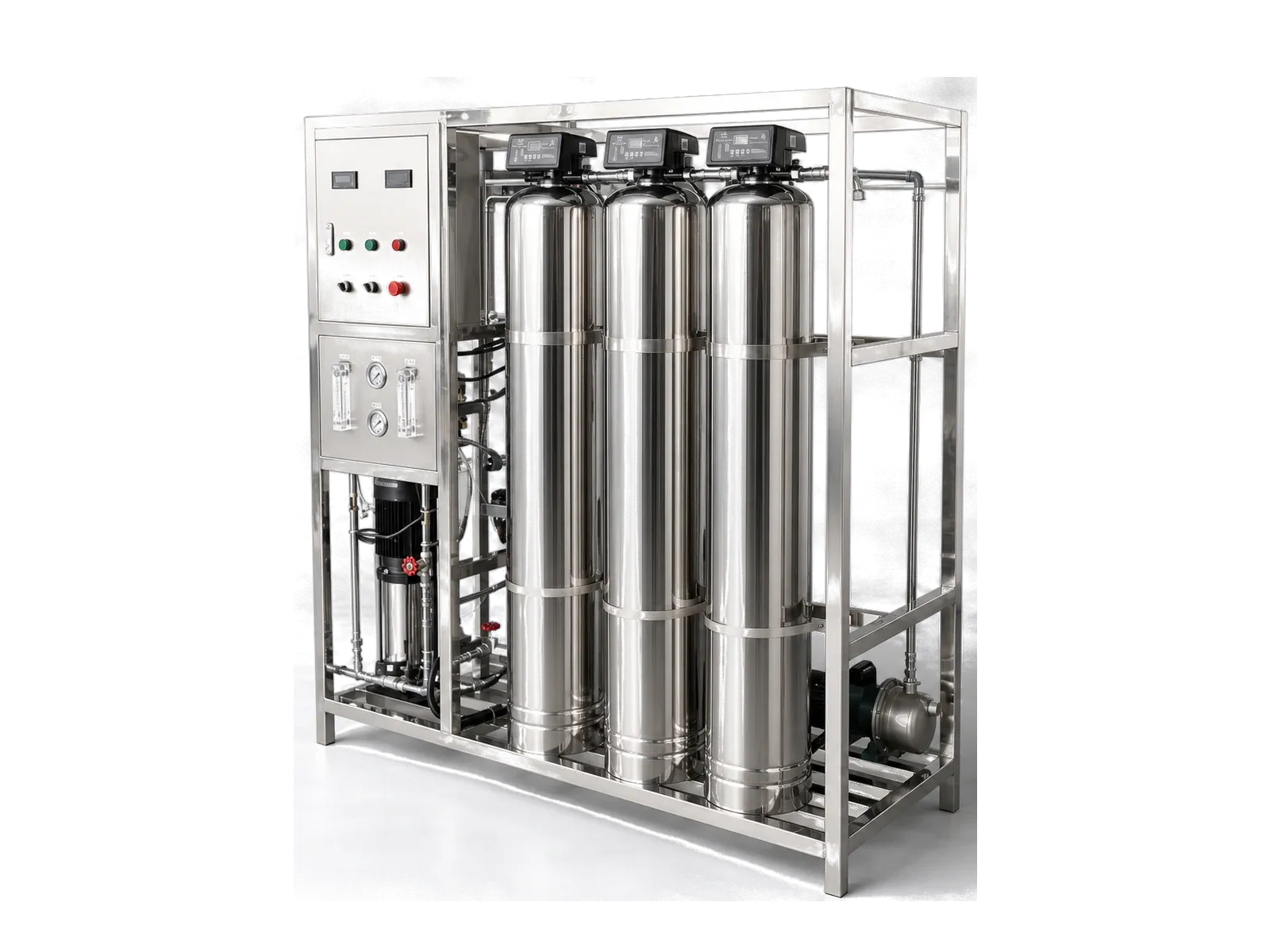
- Plate-style treatment modules
- Process pipework
- Supporting equipment frame
Configurable options
- Materials, membrane brand, instrumentation and control level
- Single-train, duty/standby or parallel arrangement
- Storage, disinfection, polishing and distribution interfaces as required
Utilities and operating assumptions
- Stable feed pressure, electrical supply and drainage
- Space for operation, maintenance and chemical handling
- An approved reject, backwash or concentrate route
Required customer inputs
- Current feed-water analysis and source description
- Required flow, daily volume, operating hours and point-of-use demand
- Target water quality, utilities, destination and documentation requirements
Design objective
Confirm performance against an approved proposal.
Design target only. No electronic grade, resistivity, TOC, particle or production result is published.