
Application context
Define the real duty before selecting equipment.
Textile and dyeing water quality can influence shade consistency, chemical use, rinsing and equipment fouling. A complete treatment train must follow the actual dyeing, washing and reuse duties.
Feed-water source
Not publicly disclosed
Capacity basis
Not publicly disclosed; final sizing requires production demand and operating hours.
Water challenge
Conditions that control the process.
Variable suspended solids, hardness, dissolved salts and fouling risk. Conflicting brochure feed-source text is not treated as verified project data.
Target water use and quality
Set the objective at the point of use.
Water quality compatible with the dyeing, rinsing or preparation step specified by the process owner.
Typical treatment train
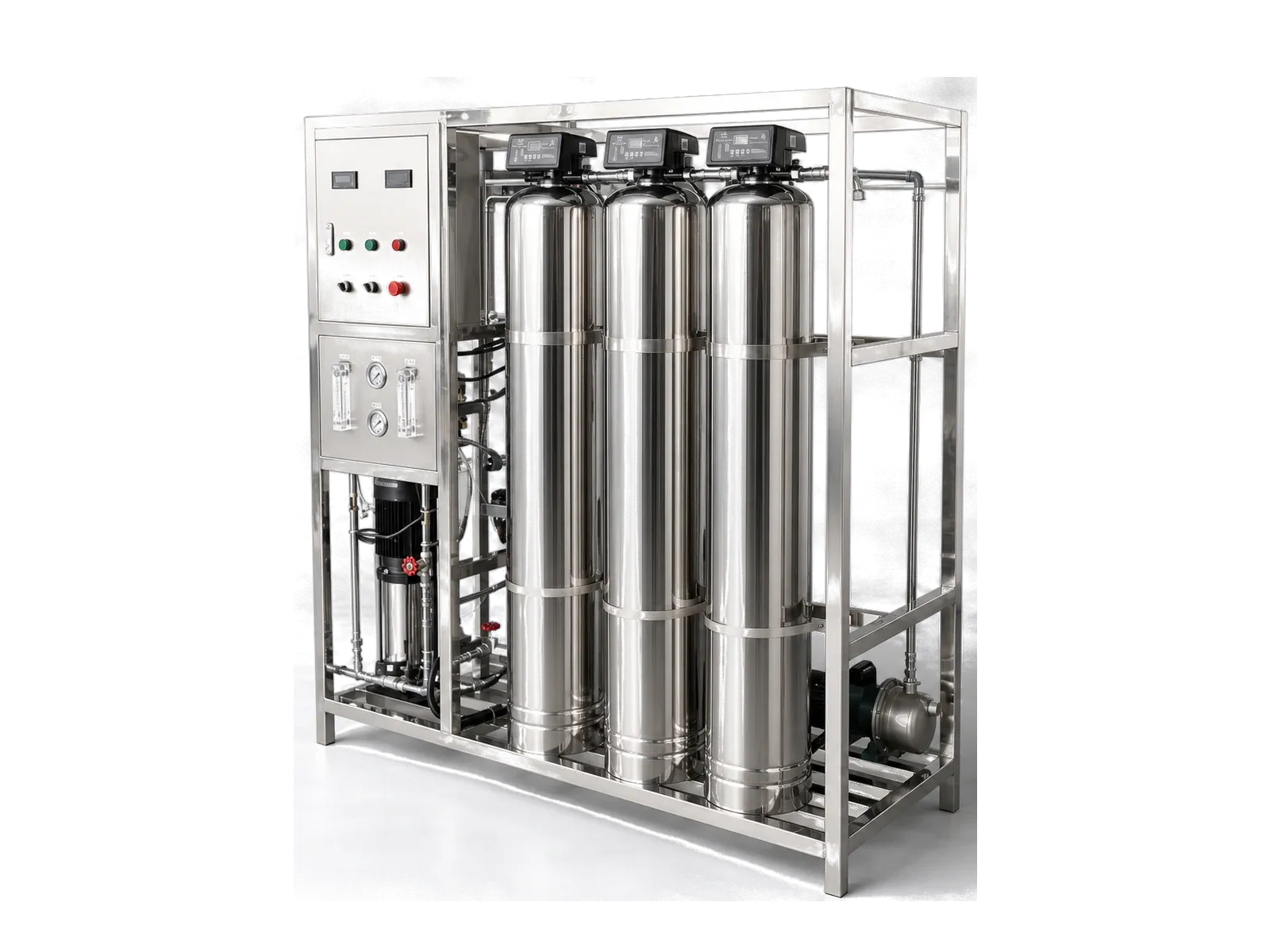
- 01Media and carbon filtration as feed conditions require
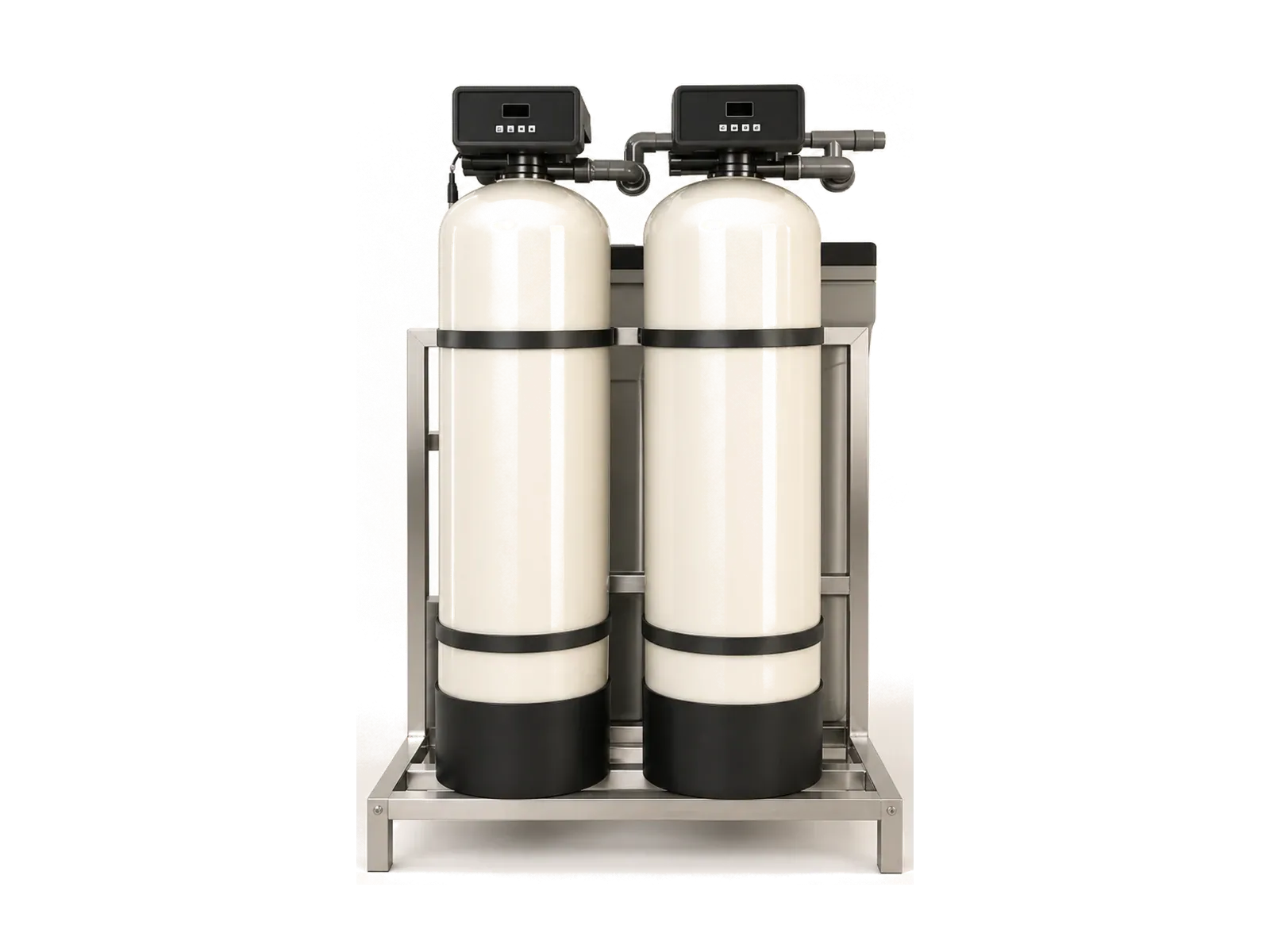
- 02Hardness control
- 03Single-pass or staged RO after technical review
Main equipment and components
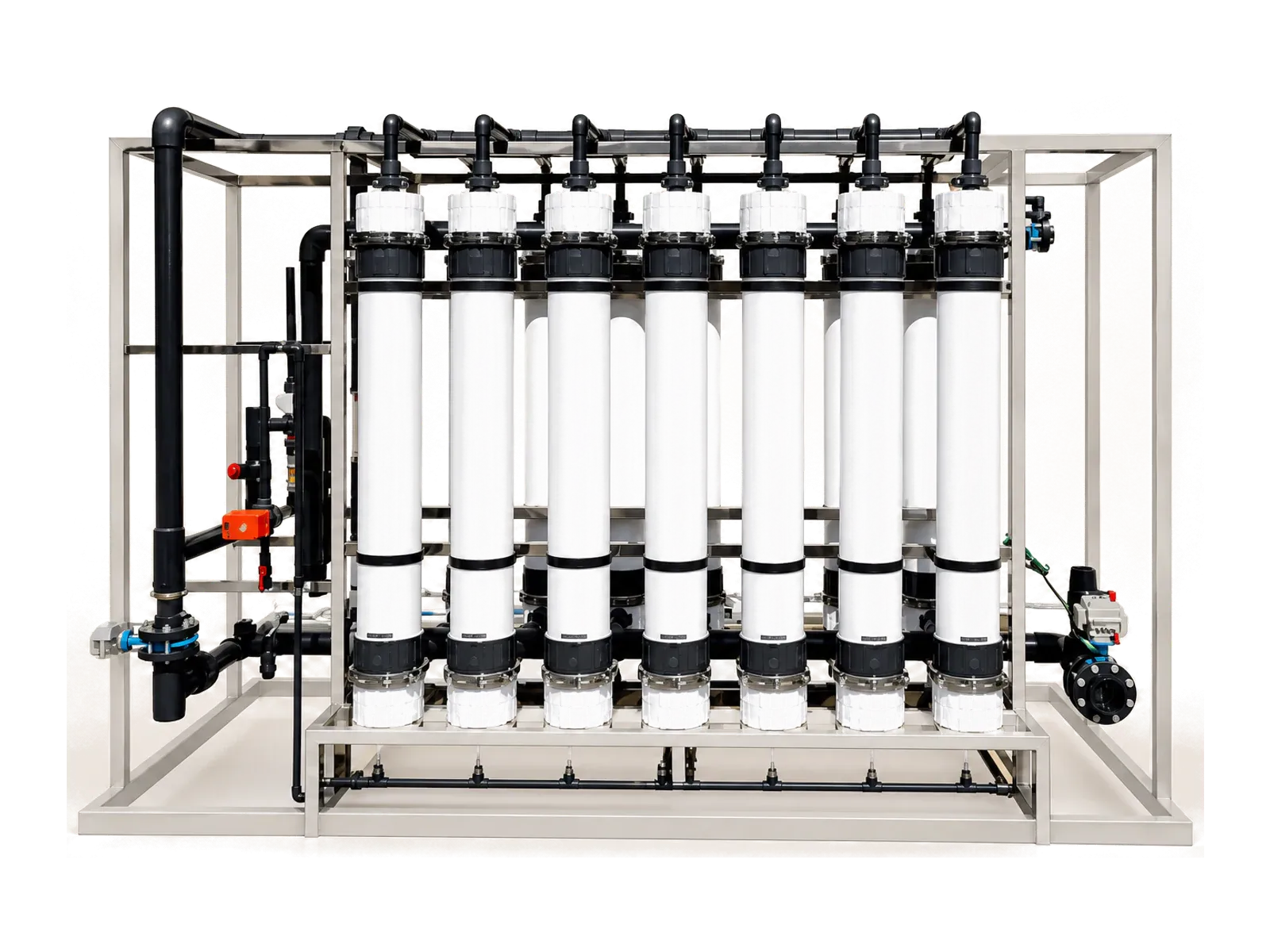
- Pretreatment filters
- RO membrane housings
- Control cabinet and instruments
Configurable options
- Materials, membrane brand, instrumentation and control level
- Single-train, duty/standby or parallel arrangement
- Storage, disinfection, polishing and distribution interfaces as required
Utilities and operating assumptions
- Stable feed pressure, electrical supply and drainage
- Space for operation, maintenance and chemical handling
- An approved reject, backwash or concentrate route
Required customer inputs
- Current feed-water analysis and source description
- Required flow, daily volume, operating hours and point-of-use demand
- Target water quality, utilities, destination and documentation requirements
Design objective
Confirm performance against an approved proposal.
Design target only. No color, yield, water-quality or operating result is published.