
Application context
Use this project experience to prepare your requirements.
For a similar application, start with your water analysis, required output and quality at the point of use. These inputs determine the equipment scope, storage, controls and acceptance criteria for your proposal.
Capacity basis
Peak production flow, daily demand and operating hours
Water challenge
Conditions that control the process.
Hardness affecting production-line scaling, together with microbiological control needs for production water.
Target water use and quality
Set the objective at the point of use.
Process water suitable for the bottling and beverage-production duty, with storage and disinfection included in the treatment approach.
Typical treatment train
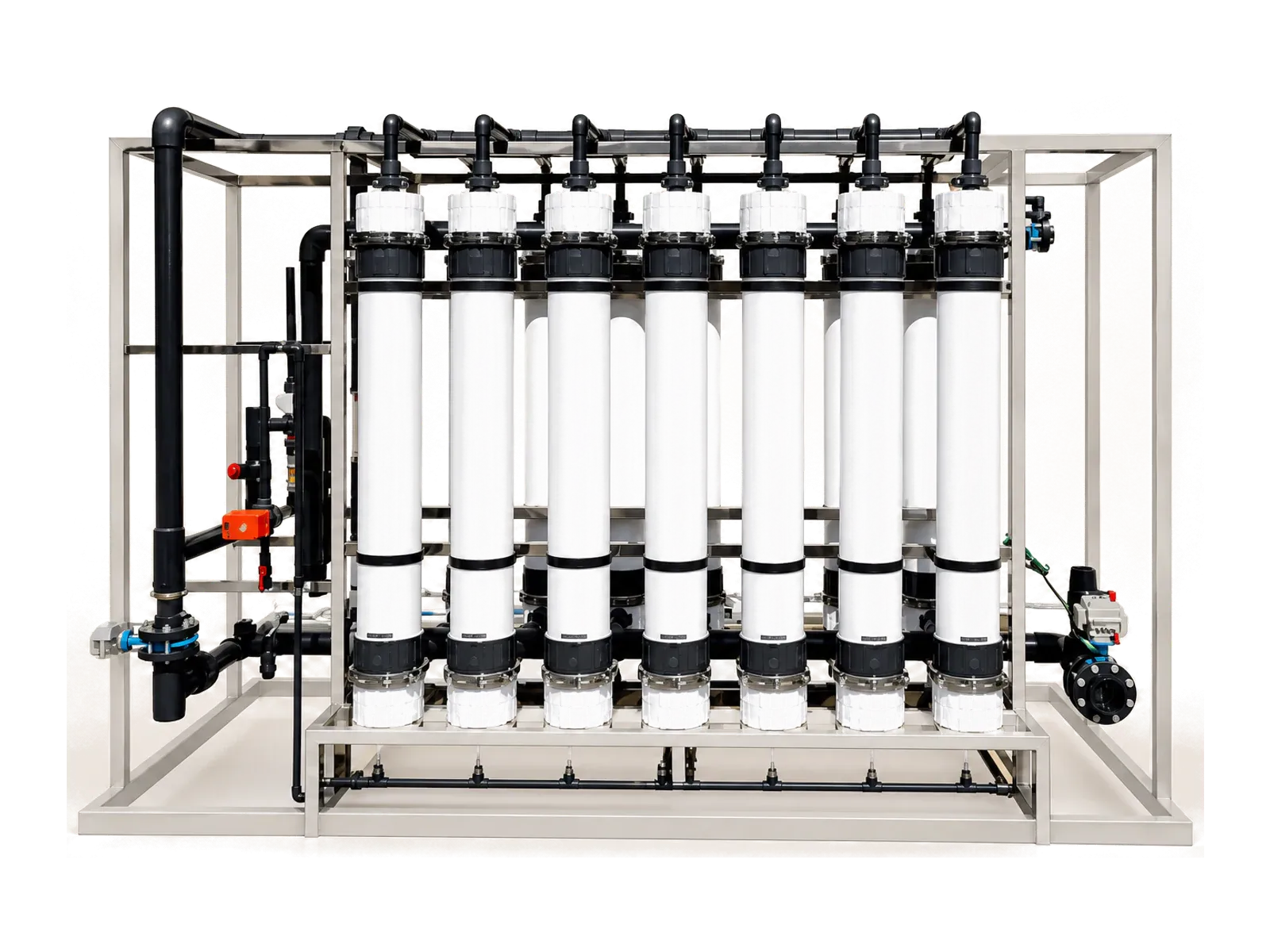
- 01Pretreatment
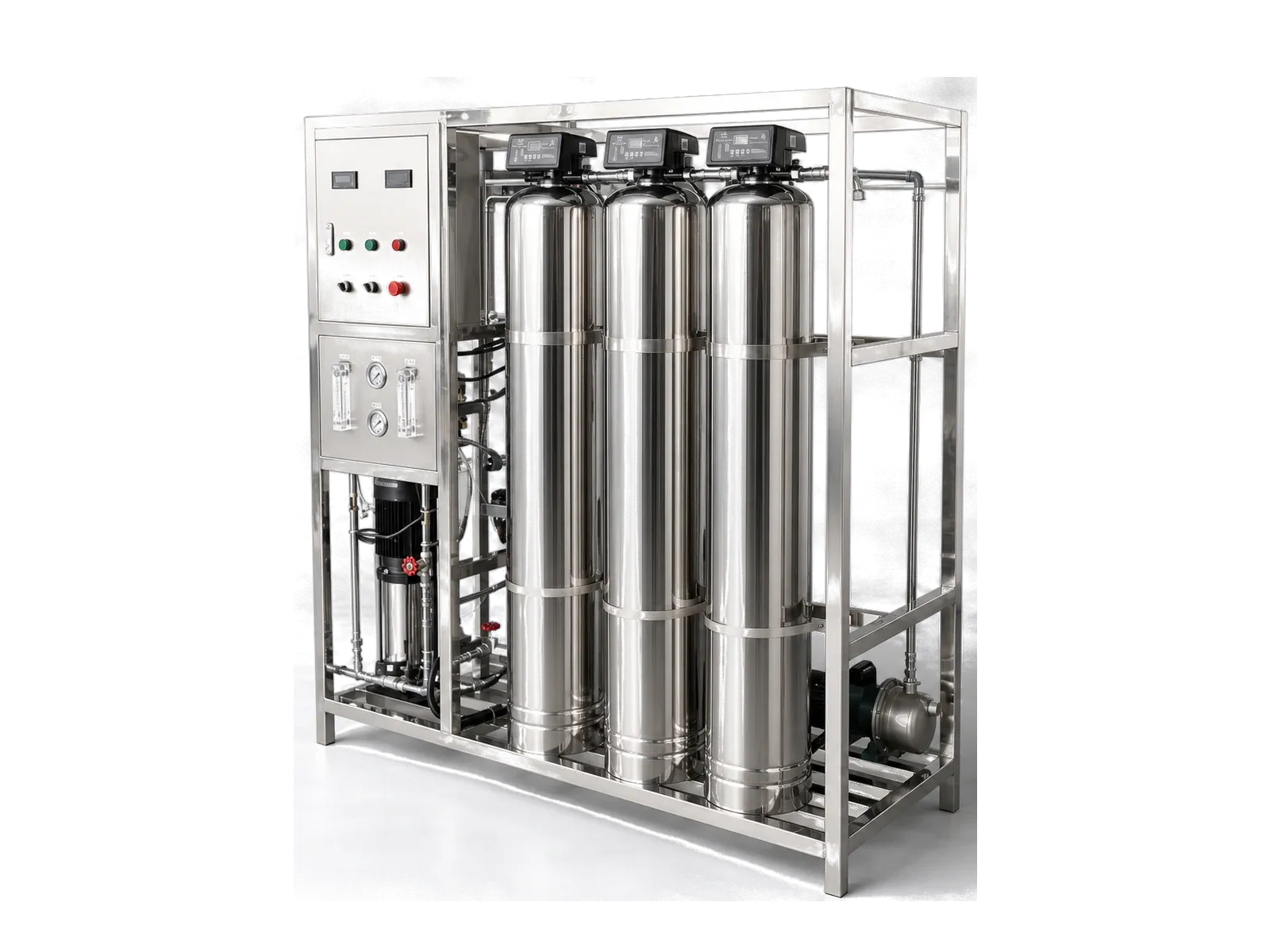
- 02Reverse osmosis
- 03Disinfection
- 04Two treated-water storage tanks
- 05Variable-speed water supply
Main equipment and components
- Pretreatment system
- RO membrane system
- Disinfection equipment
- Two treated-water tanks and variable-speed supply equipment
Configurable options
- Materials, membrane brand, instrumentation and control level
- Single-train, duty/standby or parallel arrangement
- Storage, disinfection, polishing and distribution interfaces as required
Utilities and operating assumptions
- Stable feed pressure, electrical supply and drainage
- Space for operation, maintenance and chemical handling
- An approved reject, backwash or concentrate route
Required customer inputs
- Current feed-water analysis and source description
- Required flow, daily volume, operating hours and point-of-use demand
- Target water quality, utilities, destination and documentation requirements